
Posted by Editorial Team
on August 26, 2026

Table of Contents
- Understanding Skin Changes During Chemotherapy
- Oncology-Friendly Skincare Products and Ingredients That Work
- How to Manage Dry Skin During Chemo
- Chemotherapy Skin Rash Treatment and Relief Strategies
- Building a Gentle Daily Skincare Routine for Natural Skincare for Chemo Patients
- Ingredients to Avoid and Why They Matter
- Sun Protection and Managing Photosensitivity
- Conclusion
Last Updated: August 26, 2026
Understanding Skin Changes During Chemotherapy
Chemotherapy triggers skin changes ranging from dryness and sensitivity to rashes and discoloration because the drugs target rapidly dividing cells, including healthy skin cells. This damages your skin barrier, reduces moisture retention, and increases inflammation. Your skin needs oncology-friendly products that strengthen rather than strip, abandoning standard skincare routines that contain irritants, fragrances, alcohols, and sulfates that trigger severe reactions in compromised skin.
Skin changes often begin within days of the first infusion, though timing varies. Some patients experience itching and tightness first; others notice redness, a sandpaper-like texture, localized rashes, or nail changes. This unpredictability makes managing a moving target while your body is already under stress.
Pro TipStart your skincare adjustments before chemotherapy begins if possible. This gives your skin a strong foundation and helps you identify any products that cause sensitivity before treatment intensifies the reaction.
Oncology-Friendly Skincare Products and Ingredients That Work
Effective natural skincare for chemo patients rests on proven ingredients that address the core problem: a damaged skin barrier that can't hold moisture or defend against irritants.
Ceramides are lipid molecules that form your skin barrier's structural foundation. Chemotherapy depletes them, so replenishing ceramides helps your skin retain moisture and resist irritation. Look for ceramide-rich products listing them in the first five ingredients.
Hyaluronic acid is a humectant that pulls moisture from the air into your skin and holds it there. Unlike heavier oils, it works without feeling greasy, crucial for sensitive skin. A lightweight serum with hyaluronic acid can be layered under a richer cream for maximum hydration.
Panthenol (provitamin B5) soothes inflammation and supports skin repair without causing sensitivity reactions. Allantoin accelerates healing and reduces irritation, particularly effective for chemotherapy-induced rashes. Aloe vera and calendula provide anti-inflammatory and antimicrobial properties with immediate cooling relief. Antioxidant-rich ingredients like vitamin E protect against free radical damage and support the skin's natural healing processes during chemotherapy's oxidative stress.
Bellepeau's Ecza-Mend Serum ($32.95) combines vitamin E with essential oils specifically formulated for sensitive, irritated skin. The lightweight formula absorbs quickly without residue, making it ideal for layering. The Tallow Cream ($24.00) uses grass-fed beef tallow containing naturally occurring fatty acids that mirror your skin's own lipid composition, making it particularly effective for severe dryness while allowing skin to breathe.

Key TakeawayThe best oncology-friendly skincare products contain ceramides, hyaluronic acid, and antioxidants while avoiding fragrances, alcohols, and synthetic preservatives. These ingredients have measurable effects on barrier repair and inflammation reduction.
How to Manage Dry Skin During Chemo
Xerosis, severe persistent dryness, is one of the most common chemotherapy side effects (cancer.gov). Managing this requires hydration from within, moisture application to the skin surface, and barrier repair to prevent water loss.
Hydration starts internally. Chemotherapy increases fluid losses; aim for consistent water intake throughout the day. Most oncology centers recommend 8-10 glasses daily, though individual needs vary (cancer.gov). Herbal teas and broths count toward your intake.
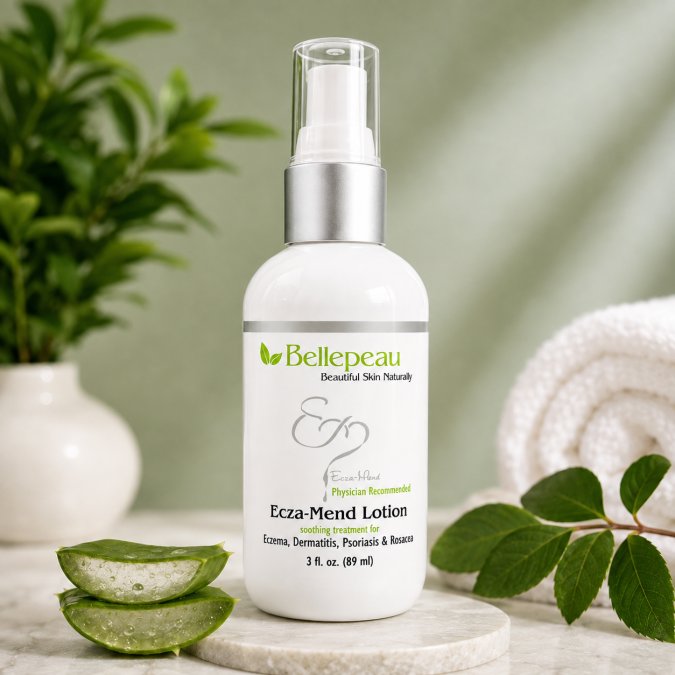
Layer your moisturizers strategically. Apply products to damp skin within 60 seconds of bathing or misting your face with water. This traps moisture against your skin rather than sealing in dryness. Start with a lightweight hydrating serum, then follow with a richer cream. The Ecza-Mend Lotion ($21.99) works well as a middle layer, containing glycerin that pulls moisture into your skin plus natural fats that strengthen your barrier.
Avoid dehydrating practices. Long, hot showers strip your skin's natural oils fastest. Use lukewarm water, keep showers under 10 minutes, and pat skin dry gently. Skip swimming pools and hot tubs during chemotherapy; chlorine and hot water are particularly harsh on compromised skin.
Use a humidifier in your bedroom. Dry indoor air pulls moisture from your skin. A cool-mist humidifier reduces overnight moisture loss and often prevents the worst morning dryness.
Protect your hands and feet. These areas have fewer oil glands and are prone to severe dryness. Wear gloves when doing dishes, apply heavier cream before bed, and consider sleeping in cotton gloves to help the cream penetrate while preventing moisture loss.
Chemotherapy Skin Rash Treatment and Relief Strategies
Chemotherapy-induced rashes range from mild erythema to painful, blistering reactions depending on the specific drugs, your skin sensitivity, and individual response.
Identify the rash type first. A fine, sandpaper-like texture usually indicates folliculitis or general irritation treatable with gentle, anti-inflammatory products. Bright red, raised patches suggest more significant inflammation. Blistering or weeping rashes need immediate medical attention and should be reported to your oncology team.
For mild to moderate rashes, gentle cleansing is essential. Use lukewarm water and a fragrance-free, sulfate-free cleanser. Bellepeau's Ecza-Mend Face & Body Soap ($8.95) cleanses without stripping the skin barrier. Pat skin dry gently and apply soothing products while skin is still slightly damp.

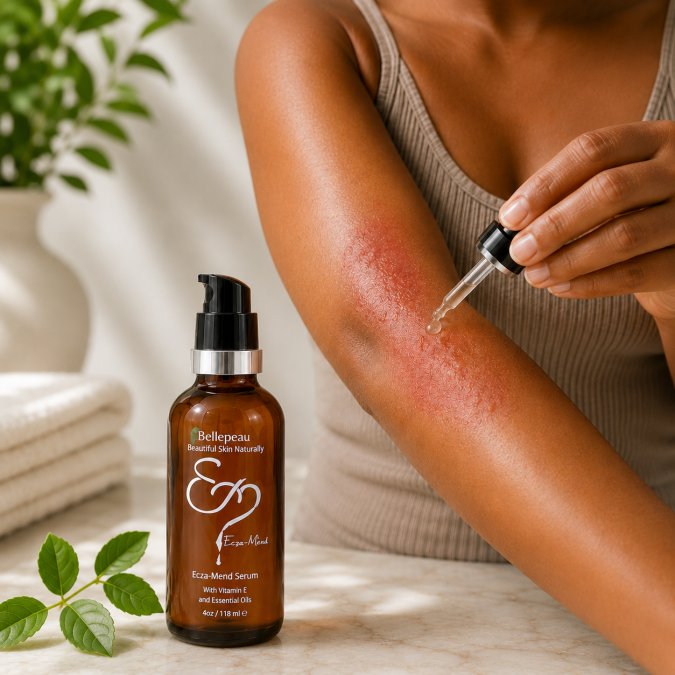
Apply anti-inflammatory ingredients immediately after cleansing. Aloe vera provides instant cooling relief, while calendula reduces inflammation over time. The Ecza-Mend Serum contains vitamin E and essential oils that address both immediate discomfort and underlying inflammation.
Avoid scratching despite the urge. Keep nails short, wear soft cotton clothing, and use a cool (not cold) compress when itching is intense. Some patients find that applying moisturizer chilled in the freezer for 10 minutes reduces the itch-scratch cycle.
Watch for secondary infection. If a rash develops warmth, pus, or spreading redness, notify your oncology team immediately.
Watch OutNever use over-the-counter hydrocortisone cream or other topical steroids without explicit approval from your oncology team. Some chemotherapy drugs interact with steroids, and using them without guidance can complicate your treatment.
Building a Gentle Daily Skincare Routine for Natural Skincare for Chemo Patients
A simplified routine is essential during chemotherapy. Fewer products mean fewer potential irritants, and consistency helps your skin adapt and heal predictably.
Morning routine (3-5 minutes):
- Rinse with lukewarm water (skip soap unless you feel genuinely dirty)
- Pat skin damp, don't fully dry it
- Apply hydrating serum while skin is damp
- Follow with moisturizer
- Apply broad-spectrum sunscreen (SPF 30+) if you'll be outdoors
Evening routine (5-10 minutes):
- Cleanse with Ecza-Mend Face & Body Soap or a gentle cleanser
- Pat skin damp
- Apply hydrating serum
- Apply a richer moisturizer
- Optional: apply a healing mask or intensive cream 2-3 times weekly
Weekly additions: Once or twice weekly, use a gentle chemical exfoliant like low-concentration glycolic acid to remove dead skin cells. Once weekly, apply an intensive hydrating mask for 10-15 minutes.
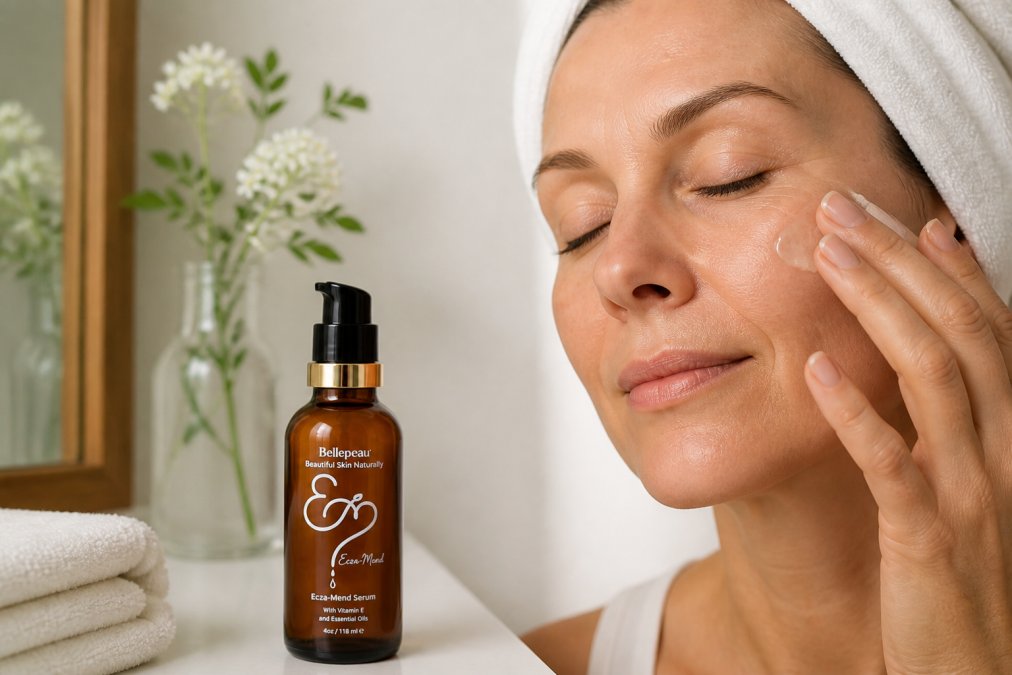
What makes this routine work: Consistency matters more than complexity. Your skin heals best when it receives the same gentle care daily. Many patients find that the Ecza-Mend Serum and a simple moisturizer are sufficient for their entire routine.
Pro TipSet phone reminders for morning and evening skincare. During chemotherapy, fatigue and brain fog are real; reminders help you maintain consistency even on difficult days.
Ingredients to Avoid and Why They Matter
Your skin during chemotherapy is fundamentally different from healthy skin. Ingredients that might be fine normally become irritants when your barrier is compromised.
Fragrance (including "natural" fragrance) is the most common culprit. Fragrance molecules penetrate easily into damaged skin, triggering inflammation and allergic reactions. Look for products explicitly labeled "fragrance-free," not just "unscented."
Alcohol and alcohol denat strip your skin's natural oils and disrupt the barrier. Parabens and synthetic preservatives are common irritants for sensitive skin; natural preservative systems like vitamin E or rosemary extract are gentler. Sulfates are harsh surfactants that strip natural oils. Essential oils in high concentrations can irritate sensitive skin; small amounts are generally tolerated, but high concentrations often trigger reactions.
Retinoids and vitamin A derivatives accelerate skin cell turnover, beneficial for healthy skin but potentially irritating during chemotherapy. Benzoyl peroxide and salicylic acid are too harsh for chemotherapy-compromised skin. Dyes and artificial colors serve no skincare purpose and only increase irritation risk.
Every irritant triggers an inflammatory response your body must manage while fighting cancer. The gentlest possible approach strategically supports your healing.
Sun Protection and Managing Photosensitivity
Chemotherapy increases your skin's photosensitivity; your skin reacts more severely to UV exposure and burns more easily (peer-reviewed research). This compounds the barrier damage chemotherapy causes, leading to hyperpigmentation, accelerated aging, and increased skin cancer risk.
Apply broad-spectrum sunscreen daily, even indoors. UVA rays penetrate windows, and some chemotherapy drugs increase photosensitivity so dramatically that even indoor exposure matters. Use SPF 30 minimum, applied generously. Reapply every 2 hours if you're outdoors.
Choose mineral sunscreens over chemical ones. Mineral sunscreens (zinc oxide, titanium dioxide) reflect UV rays and sit on your skin's surface. Chemical sunscreens absorb into skin and can irritate chemotherapy-compromised skin. Mineral formulas are gentler and less likely to trigger reactions.
Avoid peak sun hours (10 AM to 4 PM) when possible. Wear protective clothing: long sleeves, wide-brimmed hats, and UPF-rated clothing. These are more protective than sunscreen alone.
Be aware of photosensitizing drugs. Some chemotherapy agents significantly increase photosensitivity. Ask your oncology team specifically about your drugs' photosensitivity risk.
Watch for hyperpigmentation. Some patients develop dark patches or uneven skin tone during chemotherapy. Consistent sun protection prevents darkening and helps your skin return to even tone faster after treatment.
Natural skincare for chemo patients supports your body's healing while you're under profound stress. Your skin barrier is compromised, your tolerance for irritants is nearly zero, and your recovery depends on consistent, gentle care. Bellepeau's formulations address exactly this scenario: the Ecza-Mend line and Tallow Cream are specifically designed for irritated, damaged skin with natural ingredients that strengthen rather than strip. Start with a simple routine, add products gradually to test tolerance, and prioritize consistency over complexity. Your skin will heal with the right foundation.
Frequently Asked Questions
What makes natural skincare for chemo patients different from regular skincare?
Natural skincare for chemo patients is formulated without harsh chemicals, synthetic fragrances, and irritating preservatives that can compromise an already-stressed skin barrier. Products like Ecza-Mend Serum and Tallow Cream use ingredients such as ceramides, hyaluronic acid, and vitamin E to support skin repair without triggering inflammation. Chemotherapy weakens the skin's protective barrier, making gentleness essential. Products designed for oncology patients avoid common irritants and focus on barrier repair and hydration rather than active treatments.
How long does it take to see results from oncology-friendly skincare products?
Most patients notice improvements in skin comfort and hydration within 2-4 weeks of consistent use. Visible changes in redness, texture, and irritation typically appear within 4-8 weeks. Results depend on the severity of skin damage, overall health during treatment, and adherence to a gentle routine. Starting with products like Ecza-Mend Lotion or Tallow Cream early in treatment often produces faster results than waiting until skin damage worsens. Consistency matters more than immediate results.
Is it safe to use natural skincare products while undergoing chemotherapy?
Yes, when chosen carefully. Natural doesn't automatically mean safe during cancer treatment—some botanical ingredients can interact with medications or irritate compromised skin. The safest approach is to use products specifically formulated as oncology-friendly and free from alcohol, synthetic fragrance, and parabens. Consult your oncology team before introducing new products. Bellepeau's Ecza-Mend line and Tallow Cream are designed without harsh chemicals and have been used successfully by patients managing treatment-related skin damage.
What ingredients should I avoid in skincare during chemotherapy?
Avoid alcohol, synthetic fragrances, parabens, sulfates, and essential oils in high concentrations—these can irritate or sensitize already-fragile skin. Retinoids, vitamin C serums, and exfoliating acids should be skipped during active treatment. Heavy silicones can trap heat and worsen irritation. Instead, look for fragrance-free, paraben-free formulas with ceramides, hyaluronic acid, and soothing ingredients like aloe vera and calendula. Products like Ecza-Mend Soap and Serum are formulated without these irritants.
This article was written using GrandRanker
